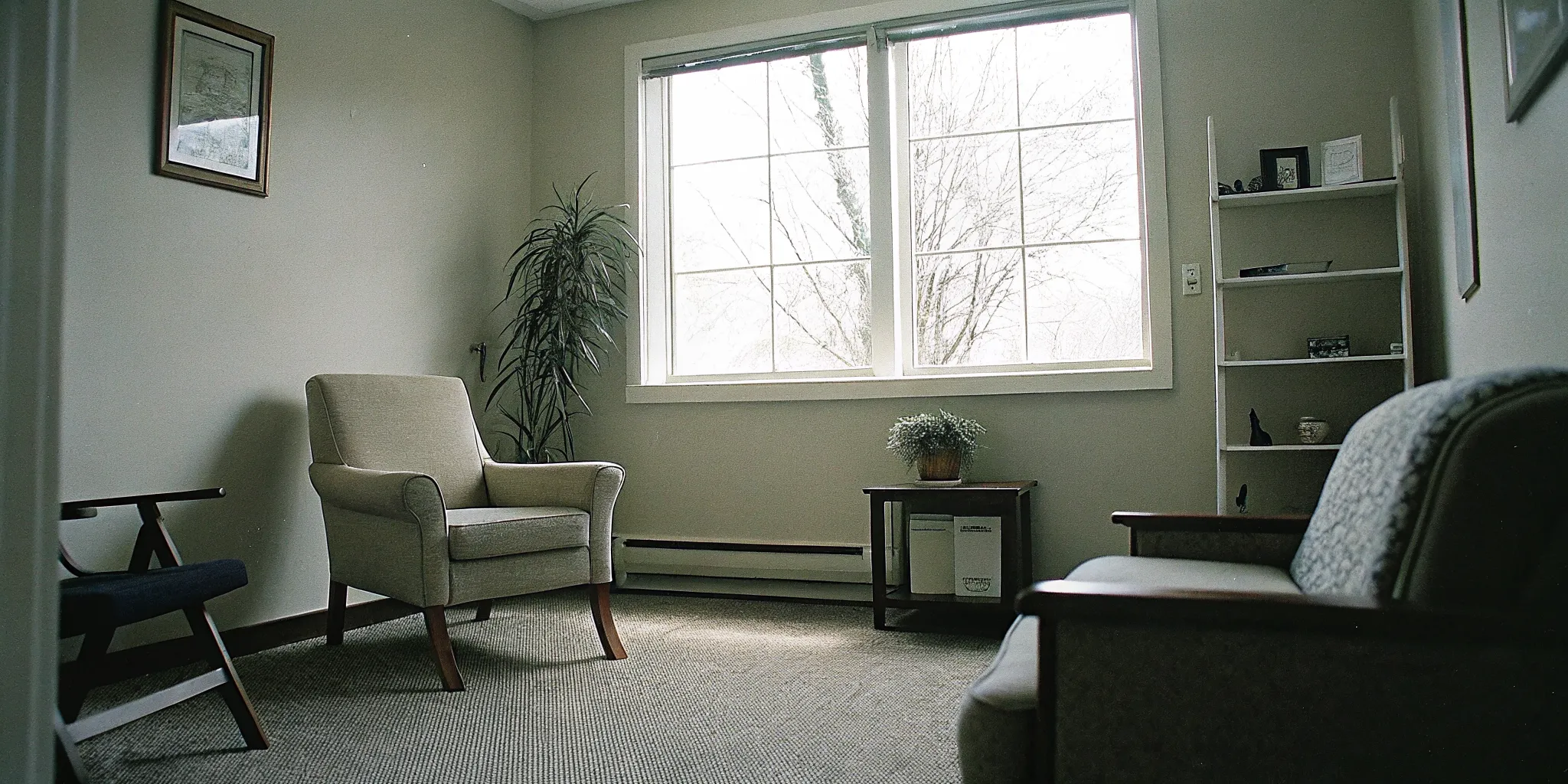
Renewal of the Mind is a Fairfax, VA psychotherapy practice serving individuals, couples, families, children, teens, and adults across Northern Virginia. Our team provides supportive, culturally aware, and personalized care designed around each client’s unique needs.

Constant fatigue that survives a full weekend of rest is a clear sign that your energy is low. This kind of tiredness shows that your body has reached its limit. Finding these quiet signs early is a key step toward supporting your well-being.
Ready to address burnout and regain your energy? Schedule a consultation today.
Signs of burnout and chronic stress often show up slowly as your body tries to manage long-term pressure. Burnout is a state of tiredness that often includes feeling cynical or detached from your work. Chronic stress keeps your body in a state of high alert. This can lead to high cortisol levels and body tension. Many people miss these signals because they appear slowly over several months. You might feel moody, notice your sleep is poor, or find it hard to focus on goals. According to the Cleveland Clinic, constant fatigue that does not improve after rest is one of the most common signs that your internal resources are empty. Knowing these subtle warnings can support you in finding expert help and may help you start using proven tools to protect your well-being.
The cognitive signs of burnout and chronic stress include brain fog, trouble focusing, memory lapses, and decision fatigue. These mental symptoms occur when prolonged stress elevates cortisol levels, impairing the prefrontal cortex and hippocampus. Many professionals dismiss these shifts as aging or busyness, but they are early warning signs that your nervous system needs support and recovery.
You may feel like you are just getting older when you forget where you put your keys. Many people dismiss brain fog as a sign of a busy life. But these mental shifts are often the first signs of burnout and chronic stress. When you stay in a high-stress state, your brain changes how it works to handle the load.
One of the most common signs is a lack of focus. You might find it hard to start a task or stay with it for long. This mental haze makes even simple chores feel like a climb. Chronic stress keeps your body in a state of high alert. This constant push keeps your mind from finding the calm it needs to think well. You may find that you read the same page three times and still do not know what it said.
This happens because high cortisol levels hurt the part of the brain that helps you focus. Research from the American Psychological Association shows that chronic stress harms the prefrontal cortex. This area of the brain manages your working memory and your ability to plan. When this part of the brain is weak, you will struggle to pay attention and stay on task.
Burnout can also make you more forgetful. You might miss a meeting or forget a name you know well. This is not just a slip of the mind. It is a sign of how stress affects the brain over time. High cortisol levels can actually shrink the hippocampus. This is the part of your brain that helps you form and store memories. Studies from Harvard Medical School show that long-term stress can change the size and function of this area.
You may feel like your mind is full or "maxed out." This happens when your brain is too tired to take in new facts. You might lose your train of thought in the middle of a talk. These slips are not your fault. They are clear signals that your mind needs rest and care. If you find yourself making more small errors than usual, your stress levels may be too high.
Chronic stress also makes it hard to make good choices. You might feel "stuck" when you have to pick between two simple things. This is called decision fatigue. It happens when your brain is too worn out to weigh the pros and cons. You may also find that your problem-solving skills are not as sharp as they once were. Tasks that used to be easy now feel like a huge burden.
When you are burnt out, your brain loses its "flexibility." You might find it hard to see new ways to solve an old problem. This mental fatigue makes you feel less sure of yourself at work and at home. You might start to doubt your skills. But it is not a loss of skill. It is a loss of mental energy. Taking time to rest or trying healthy ways to cope with stress can help you get your mental edge back.
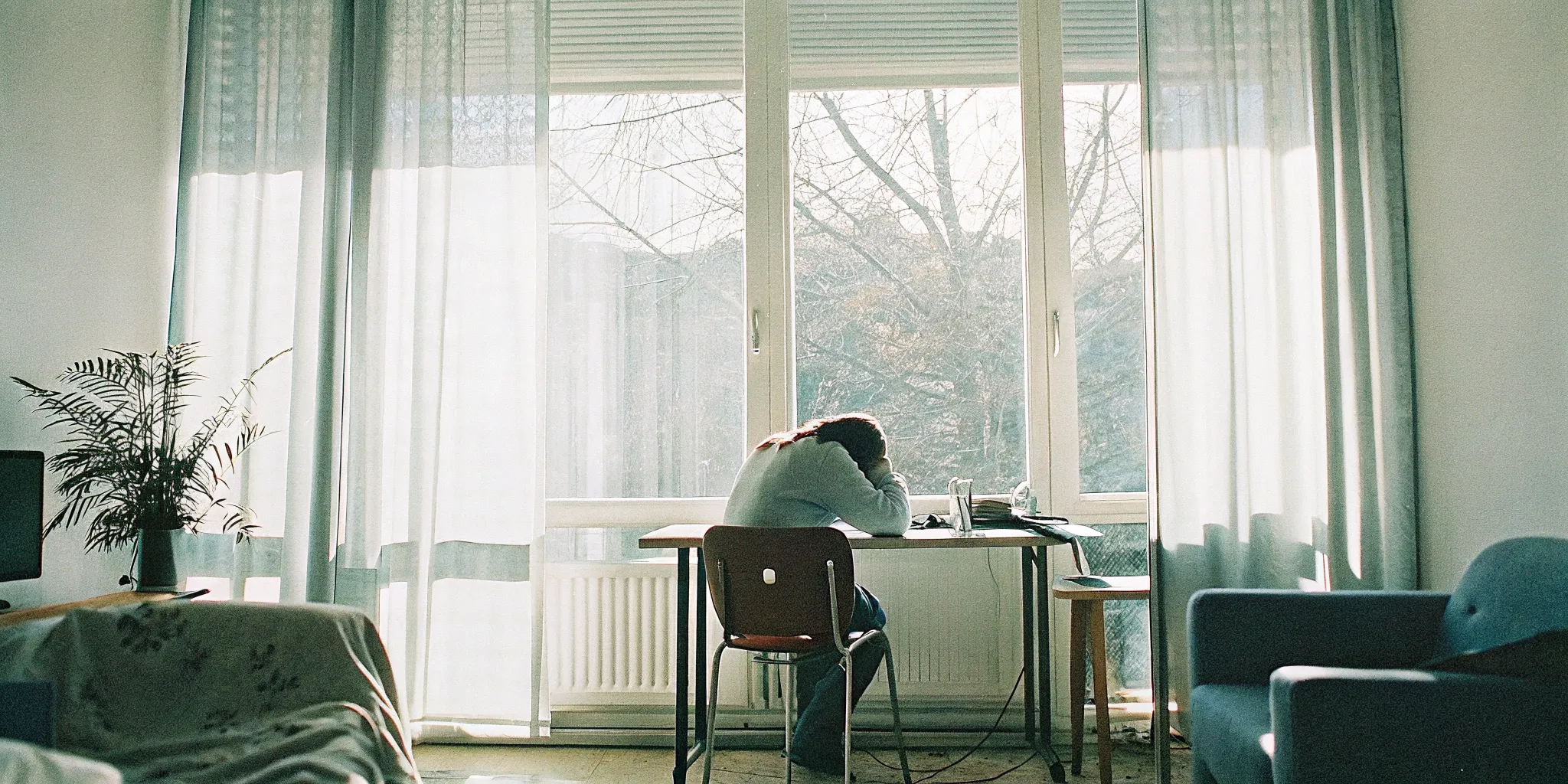
Burnout affects your emotional health by draining your capacity for care, leading to cynicism, detachment, and emotional numbness. Unlike stress, which leaves you feeling frantic, burnout leaves you feeling empty. You may lose interest in activities you once enjoyed or feel disconnected from loved ones. These emotional changes signal that your internal resources are depleted and professional support may help.
Burnout is more than just a hard week at work. While stress often makes you feel frantic, burnout makes you feel empty. Feeling drained of all heart is the core of this state. Expert Christina Maslach calls this the central sign of burnout. You may feel like you have no more love or care to give to your job, your friends, or your family. Your mind feels thin, as if you lack the tools you need to care about your life.
This loss of care is a major part of how health groups talk about job burnout. It is not just about being tired. It is about a loss of your internal spark. When you reach this point, you are not just worn out. You are emotionally tapped out.
As your heart runs dry, your view of the world often shifts. You might start to feel cynical about your work or the people you help. This change is a way to shield yourself from the weight of your tasks. You may feel distant or cold toward others. You might catch yourself thinking, "I just do not care anymore."
These shifts are key signs of burnout and chronic stress that many people miss. You are not becoming a "bad" person. Instead, your brain is trying to cope with a load it can no longer hold. This distance can make you feel like you are just a ghost in your own life. You do the work, but you are not really there.
One of the most tricky signs of burnout is feeling numb. You might stop feeling the highs and the lows of daily life. Some people think they are "feeling better" because they are no longer upset. But this "flat" feeling is often a sign of deep lack. You may find that things you used to love now bring you no joy.
This numbness is a signal that your body is trying to turn off your feelings to survive. It is a form of pulling away that marks a move from stress to burnout. If you find yourself "checking out" at home or at work, your mind is likely in a state of depletion. It is helpful to seek counseling to manage stress and talk through these signs.
It is easy to mix up burnout with depression. Both can cause a low mood and a lack of drive. But there is a big difference. Burnout is usually tied to one part of your life, like your job or being a caregiver. Depression tends to cloud everything you do, no matter where you are or who you are with.
The Cleveland Clinic notes that burnout often gets better when you leave the source of stress. Dr. Adam Borland says that once you are away from the source of your burnout, you can relax and enjoy your break. But if you have depression, you will likely still feel low even on a trip. If your mood stays down after a rest, you might need therapy for burnout depression to find the best way to heal.
The physical signs of burnout and chronic stress include persistent fatigue, sleep disturbances, muscle tension, headaches, and digestive issues. Your body stays in a state of high alert, keeping cortisol levels elevated and preventing true rest. These symptoms are your body's alarm system telling you that the stress load has exceeded your capacity to cope effectively.
The signs of burnout and chronic stress often show up in your body first. You might feel these signs before you notice the stress in your mind. The Cleveland Clinic notes that most people feel physical symptoms when their stress load is too high. These signs are like an alarm that tells you to slow down. If you ignore them, they can lead to long-term health issues.
A main sign of burnout is a deep sense of tiredness. This is not the same as being tired after a busy day at work. It is a heavy weight that a good night of sleep does not fix. You might sleep for a long time and still feel weak. This happens because your body stays in high alert for too long. It never gets the chance to truly rest and reset.
Trouble with sleep is also very common. You may find it hard to fall asleep at night even when you are drained. You might also wake up many times or wake up far too early. This lack of rest makes it hard to manage your stress levels during the day. Without deep sleep, your body cannot repair itself or lower its stress hormones.
High stress makes your muscles stay tight and stiff. Over time, this causes pain in your neck, back, and head. You might have tension headaches or a sore jaw from clenching your teeth. As noted by Darling Downs Health, chronic stress can also lead to frequent illness. Your body's defense system gets weak when you are under too much pressure.
Your gut also reacts fast to your stress levels. You might have a sour stomach, gas, or bloating when you are under too much pressure. Some people feel like they cannot eat at all. Others may eat too much junk food to cope with the stress. These changes show the distinction between chronic stress and burnout and how they hurt your health.
Your body uses a hormone called cortisol to handle threats. When you feel safe, your cortisol levels should drop back down. But when you face stress for a long time, these levels stay high. This can hurt your heart and keep you from feeling your best. Over time, your body may even stop making enough of this hormone.
In the early stages, you might feel "wired but tired." You feel restless but have no real strength to do your work. Later, you may feel totally flat and have no drive left. These physical signs mean your body is working too hard to keep up. Learning to spot these signs that stress is affecting your health can help you take action early.

Evidence-based strategies to regulate your stress response include mindfulness meditation, regular aerobic exercise, consistent sleep hygiene, strong social connections, and setting healthy boundaries. These approaches help lower cortisol levels, support brain health, and build resilience over time. Starting with one small habit can create momentum toward recovery from chronic stress and burnout.
Handling the signs of burnout and chronic stress often starts with small, steady habits. You do not need a major life change to begin feeling a shift in your well-being. Focusing on your stress response system can help lower cortisol levels and build strength over time. These small steps help your body return to a state of balance. While these tools are helpful, you should consult a professional if your symptoms feel like too much.
Mindfulness-Based Stress Reduction (MBSR) is a well-studied tool for mental health. Research in JAMA Internal Medicine shows that mindfulness can help reduce felt stress. These practices teach you to stay present without judgment. This focus helps the brain move away from the "fight or flight" state. Practicing deep breathing for even five minutes a day can help calm your nervous system. Over time, this skill makes it easier to handle daily pressure.
Moving your body is another vital way to handle high stress. Aerobic exercise helps the body process excess cortisol, which is the main stress hormone. Moving your body often also increases brain-derived neurotrophic factor (BDNF). This protein supports brain health and helps you adapt to new tasks. You do not need to run a marathon to see good results. A brisk walk or light stretching can make a real change in your mood. Try to find an activity you enjoy and do it often.
Good sleep is a core part of healing from burnout. The CDC recommends set sleep tips to help your body rest and reset. Going to bed at the same time each night helps regulate your internal clock. You should also keep your bedroom dark, quiet, and cool. Staying away from screens for an hour before bed can help your mind settle down. Better sleep allows your brain to recover from the cognitive signs of burnout and chronic stress. When you are well-rested, you are better ready to face the day.
| Strategy | What It Involves | Effect on Stress | Starting Tip |
|---|---|---|---|
| Mindfulness | Deep breathing or meditation | Calms the nervous system | Try a five-minute app |
| Body Movement | Walking, yoga, or cardio | Lowers cortisol levels | Take a 10-minute walk |
| Sleep Habits | Fixed sleep schedule | Restores cognitive energy | No screens before bed |
| Social Bonds | Talking with trusted friends | Buffers stress response | Call a friend weekly |
| Food Support | Balanced, regular meals | Stabilizes blood sugar | Eat a protein-rich snack |
| Setting Limits | Saying no to extra tasks | Protects mental energy | Log off at a set time |
Social bonds act as a buffer against the body effects of stress. Sharing your feelings with a trusted person can lower your heart rate and ease tension. This support is often a key piece of long-term healing. If stress comes from deep-seated issues, targeted care like EMDR therapy for trauma-related burnout may be helpful. Working with an expert can help you set limits that protect your peace. These limits prevent your mental energy from being drained by others.
Steady effort is more important than perfect work. You can start with just one plan from the table above. Over time, these small changes can help you reclaim your energy and focus. Contact us to learn more. Healing takes time and patience. Each small step lowers the weight of chronic stress. If you continue to struggle, reaching out for professional support is a strong and wise next step.
When self-care strategies are not enough to relieve burnout symptoms, professional therapy can provide structured support. Therapies such as CBT, DBT, EMDR, and ACT are evidence-based approaches that help you process stress, change negative patterns, and rebuild resilience. Seeking help early can shorten the recovery timeline significantly.
Self-care is a good first step to help with the signs of burnout and chronic stress. But sometimes, a walk or an extra hour of sleep is not enough to fix how you feel. If your stress lasts a long time, it can lead to deep exhaustion that is hard to shake. In these cases, professional help can give you the tools you need to heal.
It can be hard to know when you are seeing the signs of burnout and chronic stress. One clear sign is when you still feel drained after a long break or a trip. If your symptoms do not go away when you are away from work, you may be facing something more serious. Per the Cleveland Clinic, burnout that lasts after you rest may point to clinical depression. You should always speak with an expert if you feel this way.
One more sign is when you cannot do your daily tasks. This might look like a hard time thinking at work or pulling away from your friends and family. If these issues last for two weeks or more, it is a good idea to find support. You do not have to wait for a total crisis to talk to a therapist. Catching these signs early can make the recovery process much easier and faster.
Therapy is not just about talking. It is about learning new ways to handle the pressure you face. There are many types of therapy for burnout-related depression that have strong proof they work. These methods help you change how you think and act when you feel overwhelmed.
You can find many of these private therapy sessions at Renewal of the Mind. Our team can help you find the right path for your needs. We use methods that match your unique story and life goals.
A therapist provides a safe space to share your struggles without any judgment. At Renewal of the Mind, we have 19 licensed experts who know how to help with burnout. We work with 13 major insurance plans to make care easier for you to get. Our office is in Fairfax, VA, but we also offer telehealth to all people in Northern Virginia.
We believe that everyone should have access to great mental health care. That is why we offer services in many languages, such as Arabic, Spanish, Korean, German, and Malayalam. Whether you see us in person or online, our goal is to help you find balance. Please keep in mind that this content is for info only. It is not a medical diagnosis. You should always talk to a doctor or therapist about your health.
Early signs often start with a feeling of being tired all the time, even after you sleep. You may also notice you dread tasks you once liked or find yourself making more small mistakes. Data from the Cleveland Clinic show that feeling pulled away from work is a key sign. This loss of joy shows your stress has reached the burnout stage.
Stress often feels like you have too much to do and too little time. You feel frantic but still care about the work. Burnout feels like you have nothing left to give and have lost care for your goals. Facts from Mental Health America show that stress is about being too busy and keyed up. Burnout is more about feeling empty, cold, or numb.
The time you need to heal depends on how bad the burnout is and what changes you can make. If you catch it early, you might feel better in two to four weeks with rest and new limits. For more severe cases, it can take many months to get well. This slow process needs you to lower your stress and build new habits to take care of your mind and body.
You should think about seeing an expert if your tired feeling lasts for two weeks or more even after you rest. If you find it hard to act as you usually do at work or at home, a therapist can help. A trained therapist can teach you new ways to handle stress. They can also help you build a plan to get your energy back before the signs of burnout get any worse.
Body signs of burnout and chronic stress often include headaches, tight muscles, and stomach pain. You may also feel very tired or have trouble sleeping. These signs happen because your body is in a state of high alert for too long. Handling these signs early can help you avoid more major health issues. It is vital to talk to a doctor or therapist if these signs do not go away.
Ignoring the early signs of burnout leads to serious health problems and a deep sense of loss in your daily life. Starting your healing today with therapy for burnout depression helps you learn tools to manage your stress and live a calm and stable life. If you wait until you are worn out, the journey to feeling better will be much harder and longer than it is now.
Are you ready to take the next step and move forward today? Call (571) 264-8192 to schedule a consultation for burnout and chronic stress support and begin your path toward a better life.
Our compassionate team at Renewal of the Mind is here to help — whether you’re navigating anxiety, trauma, relationship challenges, or simply need someone to talk to. We offer in-person and telehealth sessions across Northern Virginia.